
Wildlife & Moose Safari Stockholm
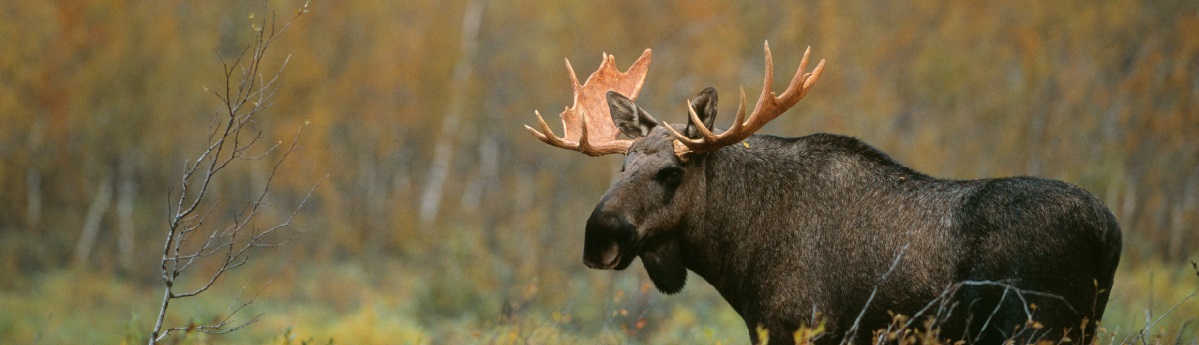
Meet animals on this wildlife & moose safari in Stockholm! Spot animals such moose, the Swedish national symbol and also named the King of the Forest, as well as roe deer, fallow deer, wild boar, foxes, birds of prey and other fauna.
Summer (April-October)
Or
Winter (November-March)
The switch between the safari season programs is approximate, as we may need to adapt to the weather for your best experience.
Summer Moose & Wildlife Safari Stockholm
On our wildlife & moose safari in Stockholm we have three animals in focus: Moose (Elk), roe- & fallowdeer, and wild boar. But we can also see foxes, badgers, owls, birds of prey and more! Expect campfire dinner, tracking wildlife on a hike, and visiting hotspots by van where we often spot moose and other wildlife. Our guides keep track of the movement of the animals so we know just where to find them! On every wildlife safari we have seen at least 2 out of the 3 focus animals (moose, deer, boar) but usually we get to see all three. Did you know that we have seen moose on over 95% of our summer safaris?!
Highlights
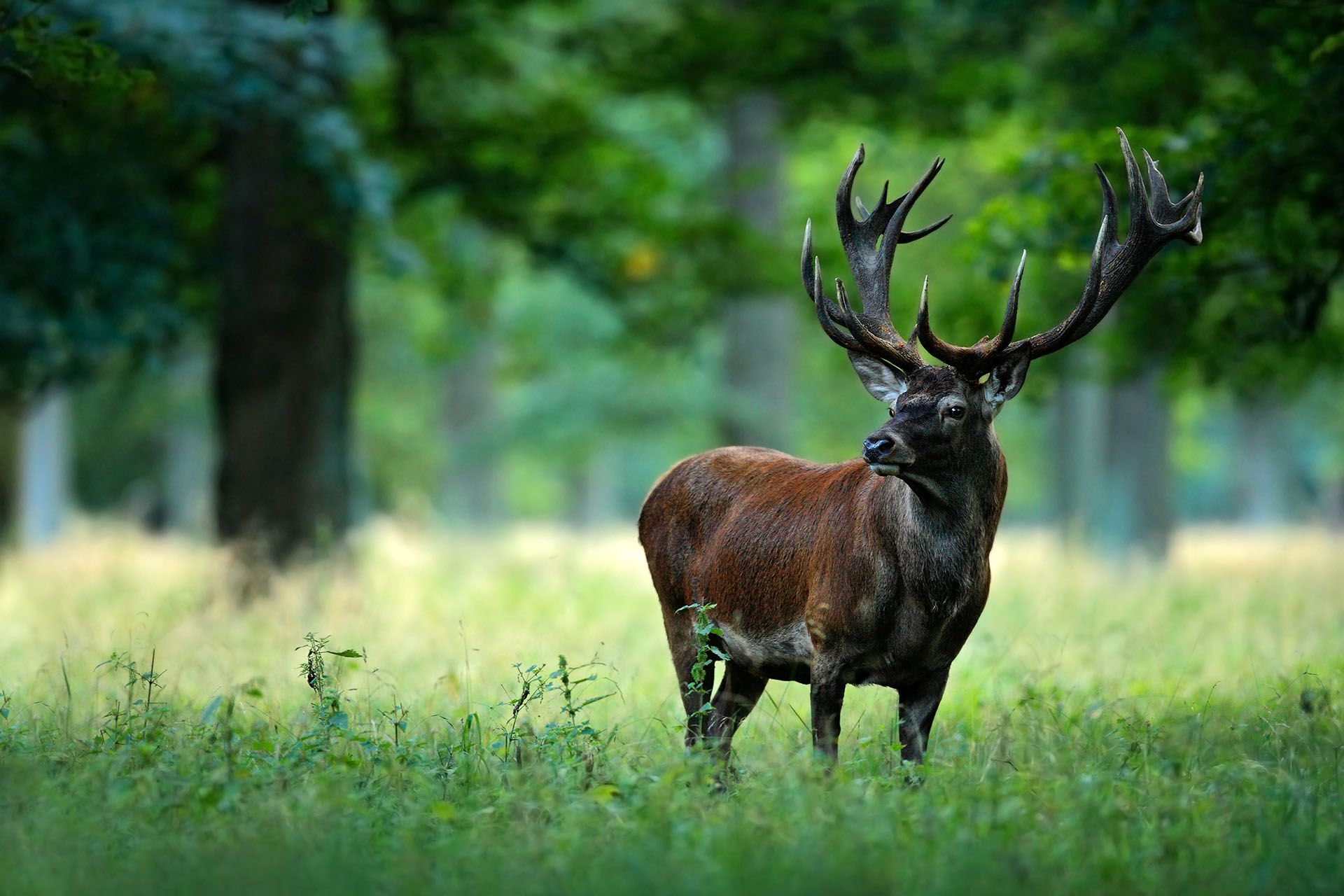
- Over 95% success rate for moose sightings
- See wildlife such as moose, deer & boar in its natural habitat
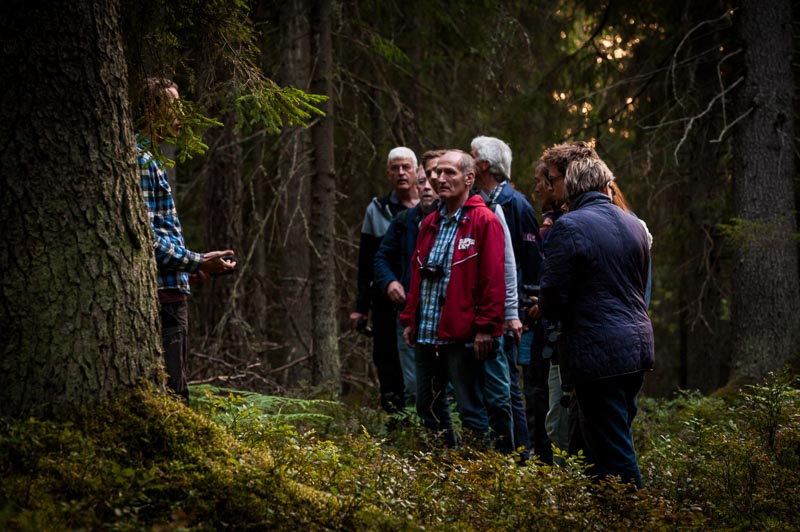
- Tracking & getting up close during a hike
- Learn how to make fire with knife & flint
- Learn more about Swedish wildlife from your knowledgeable moose guide
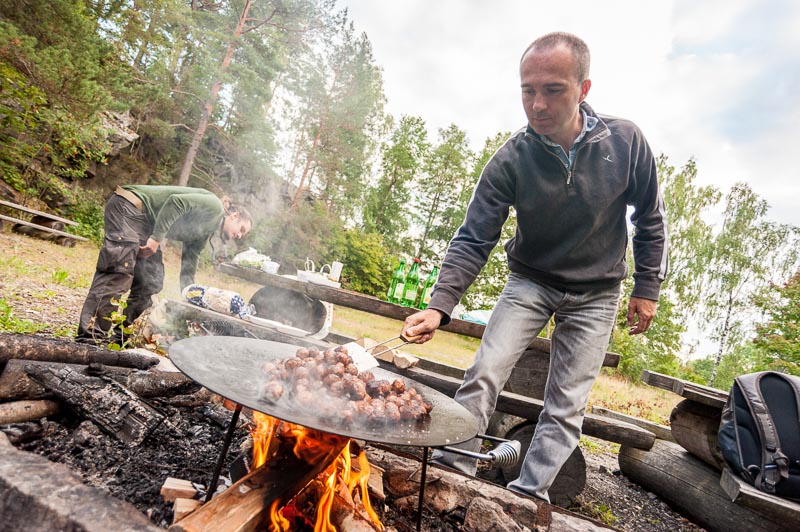
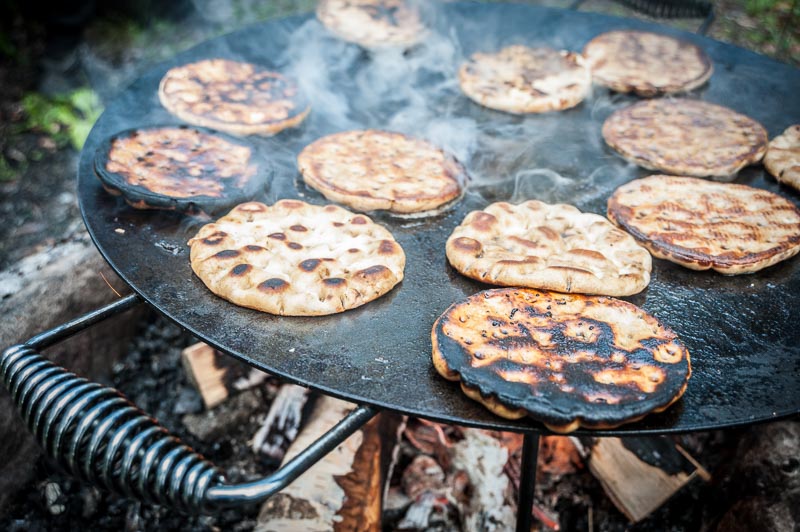
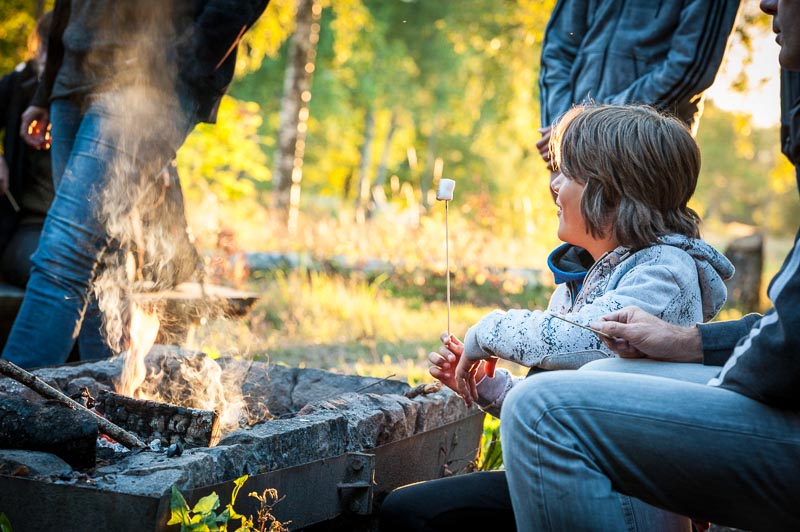
- Enjoy a campfire dinner
- Sunset
- Transport by van to cover several sighting spots, increasing your chance to see wild animals
- Make use of a large torch after sunset and observe wildlife in the dark
- Small, personal groups
- Pickup & dropoff in central Stockholm
Wildlife Safari Stockholm: What to see?
Environment: On this tour you will encounter typical Swedish pine forest, open fields, small lakes, and traditional country side.
Wildlife: The most important wild Nordic animals we aim to see are moose, deer, and boar. Also common to see on the safari tour are Buzzard, Falcon and many other bird species. Many other wild animals that can be seen are badger, fox and hare. Present but very rare is also linx. UPDATE: Since Summer 2017 we now have small numbers of fallow deer in the area!
Pictures
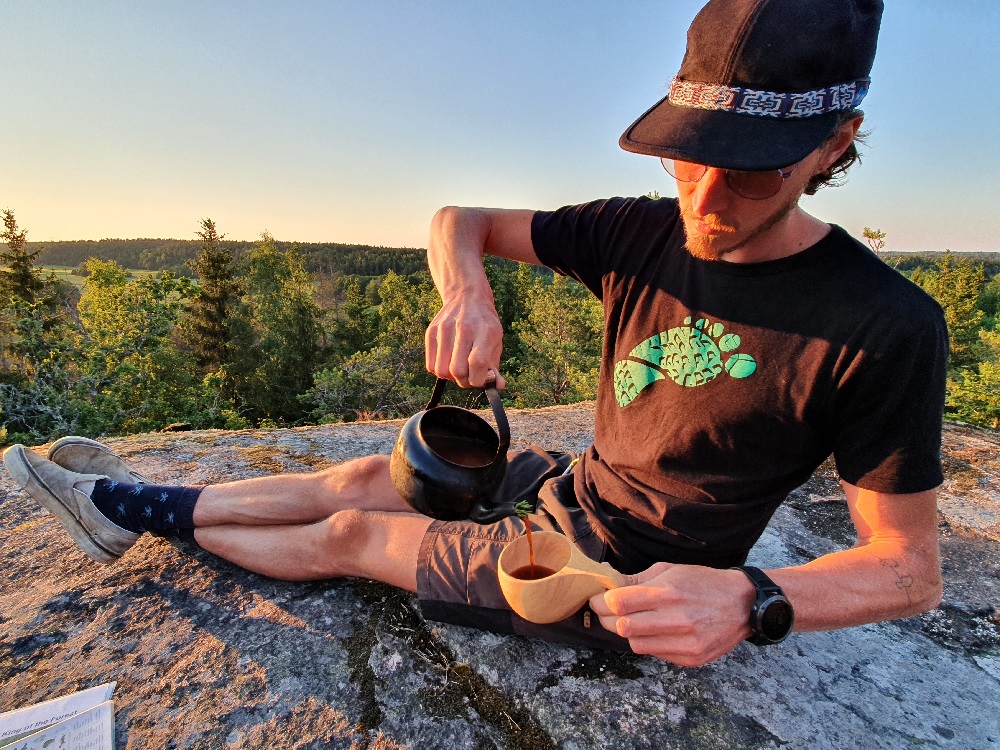
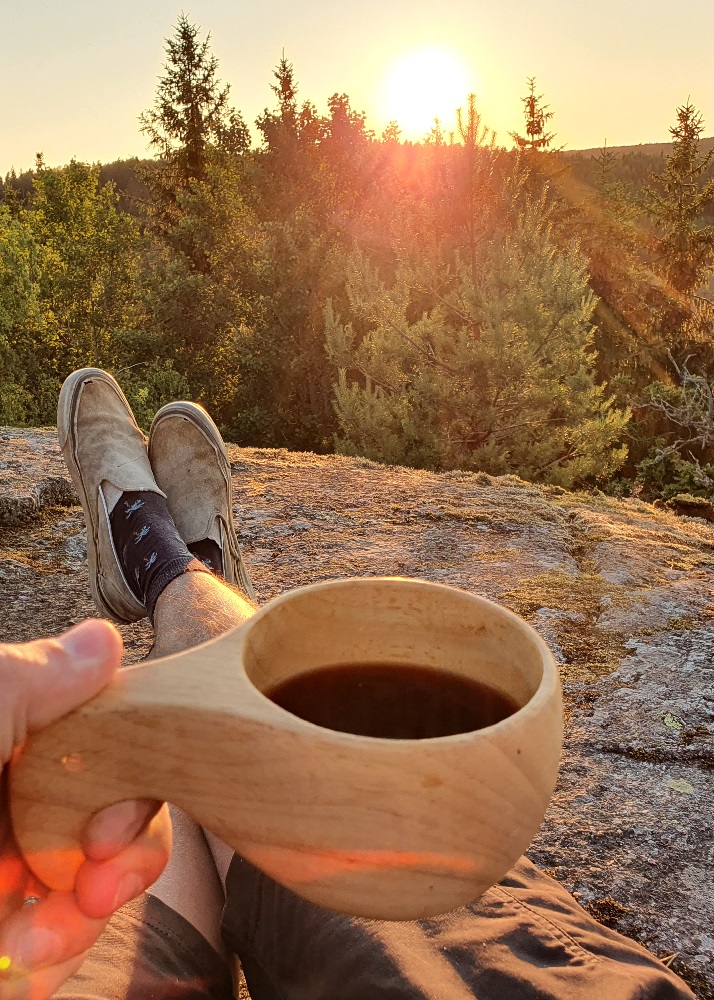
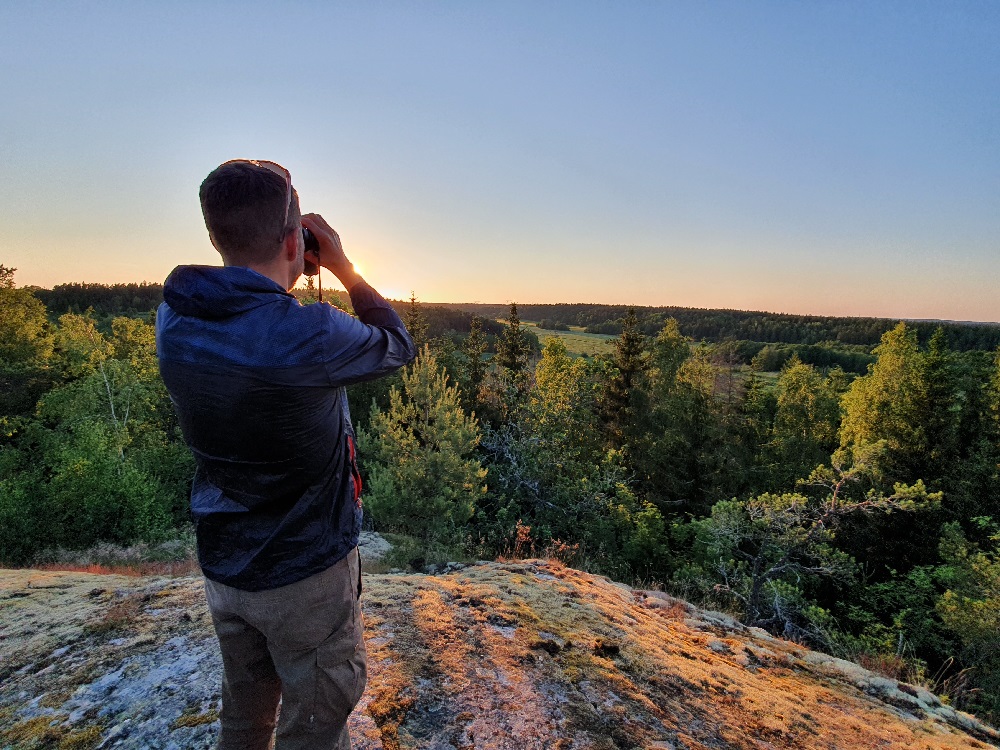
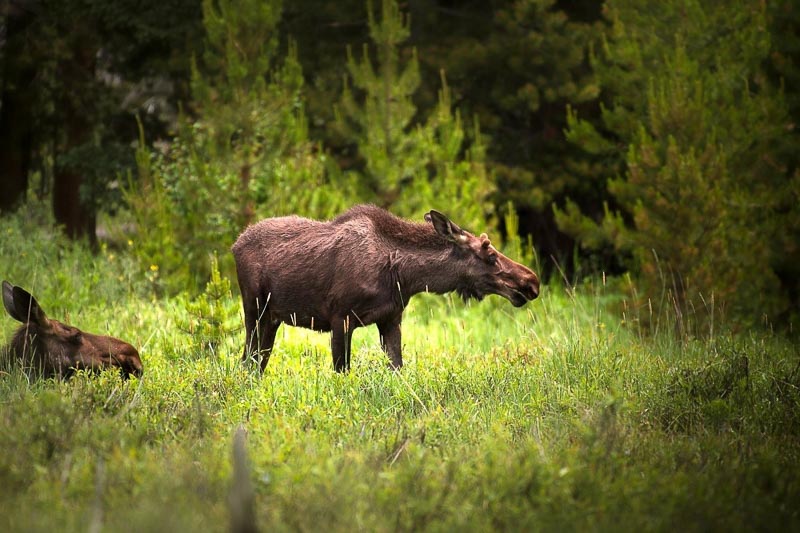
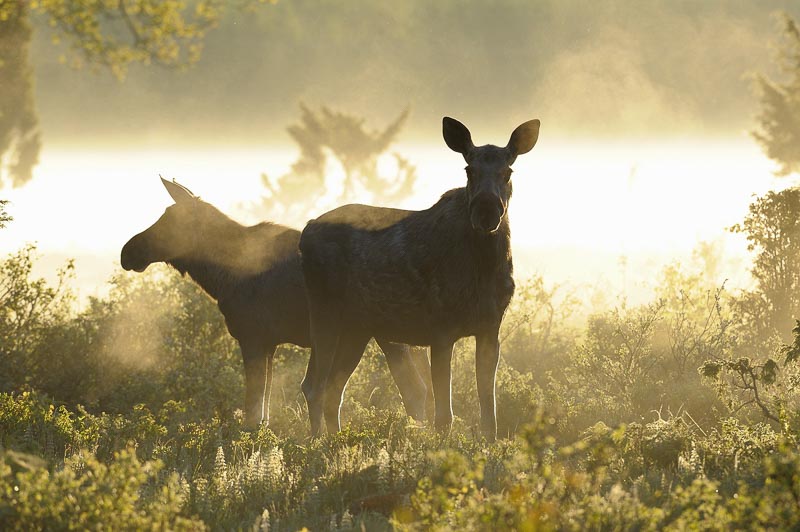
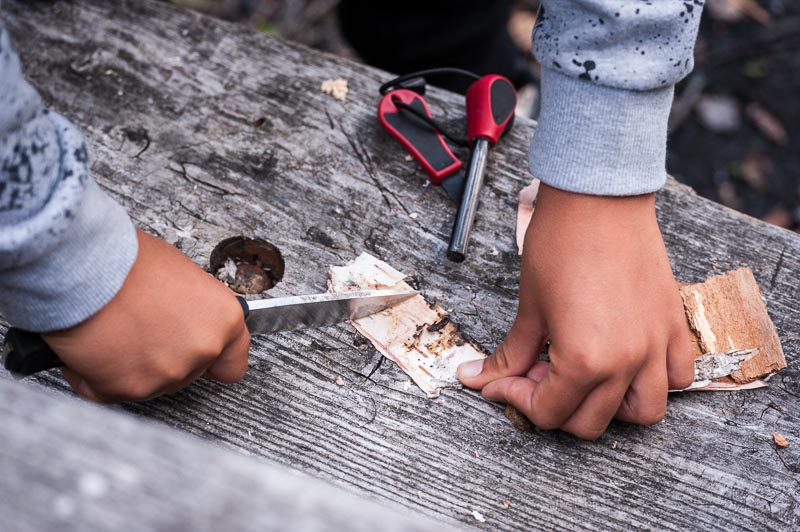
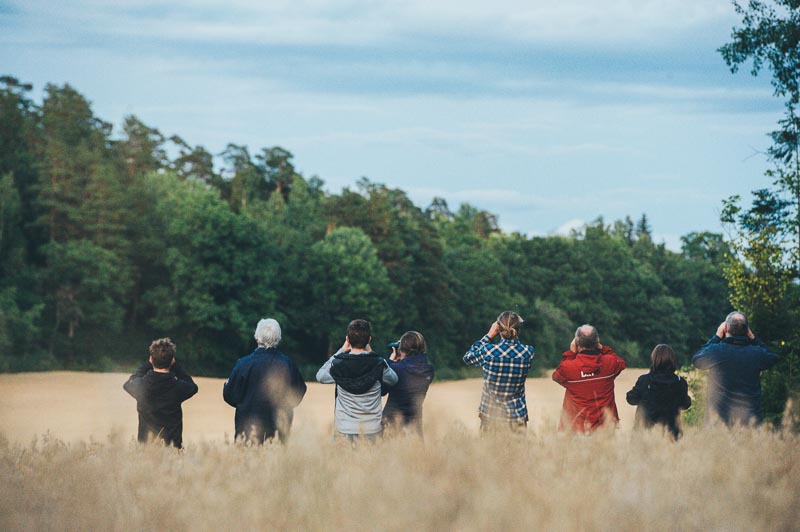
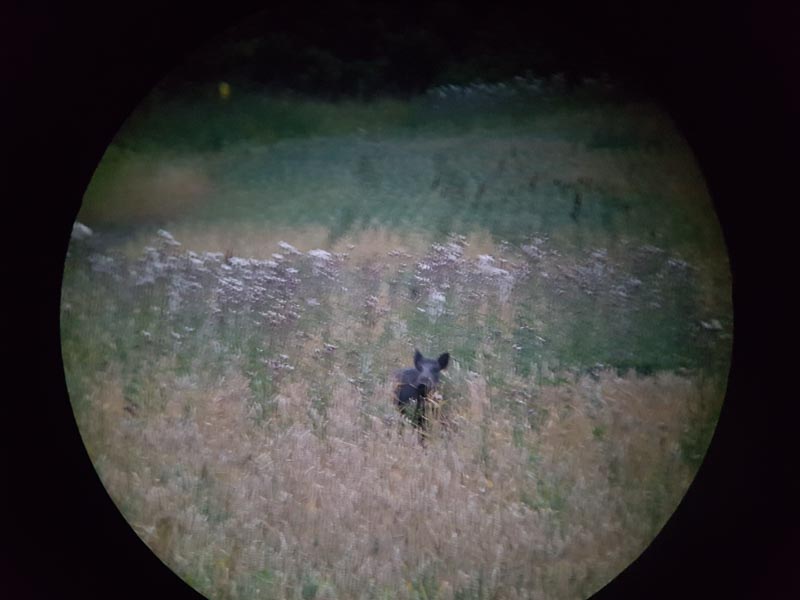
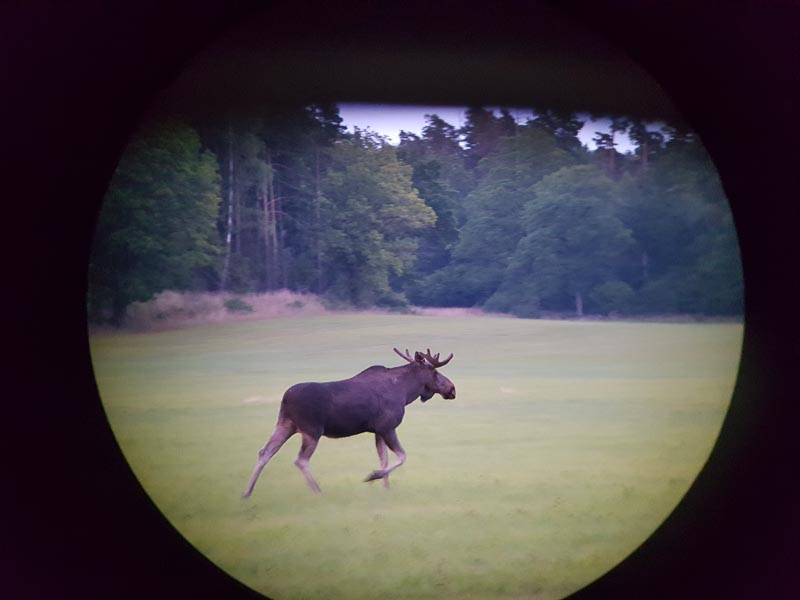
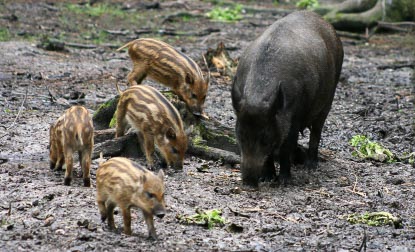
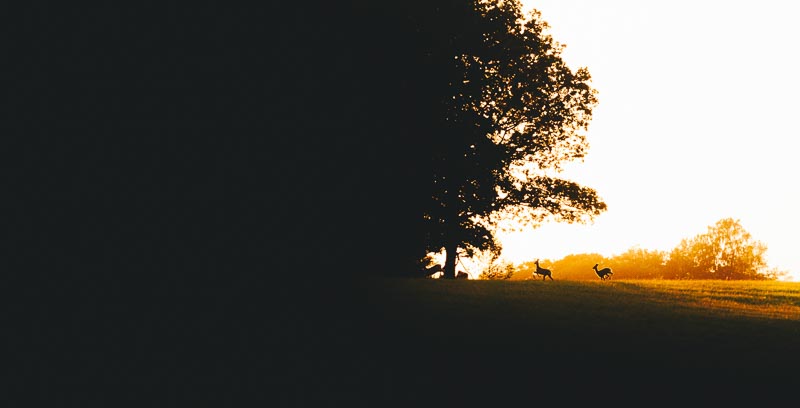
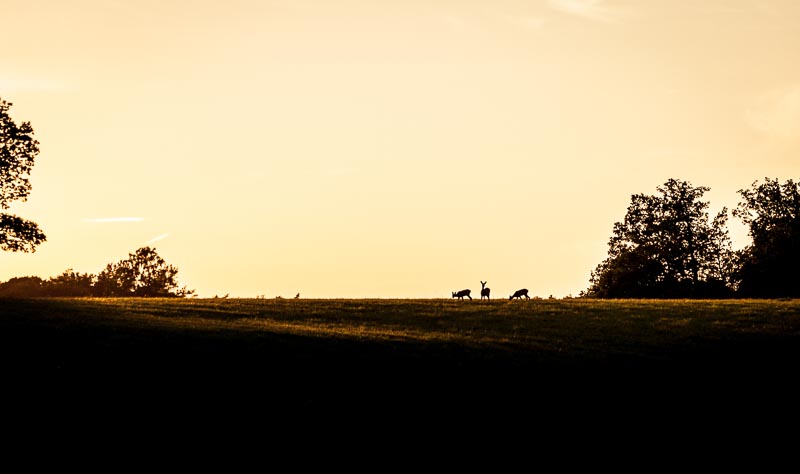
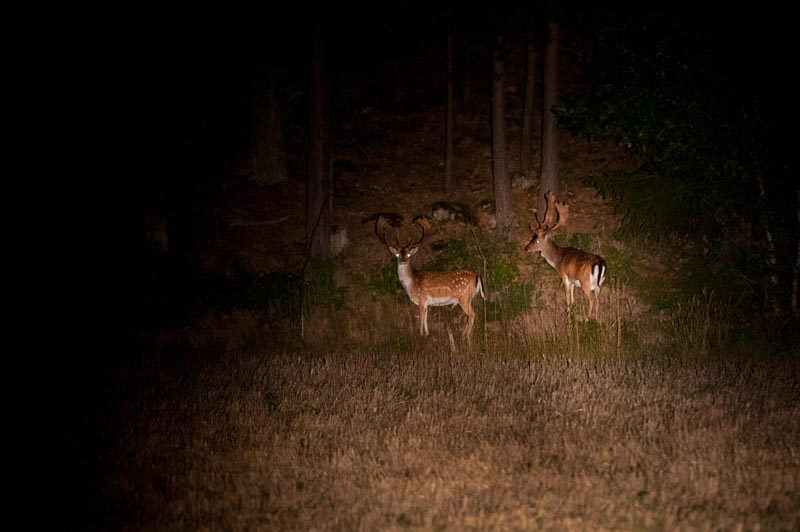
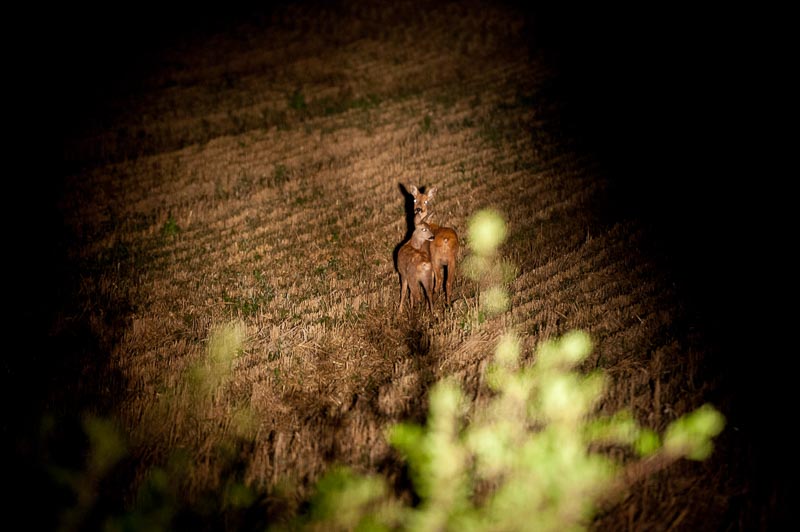
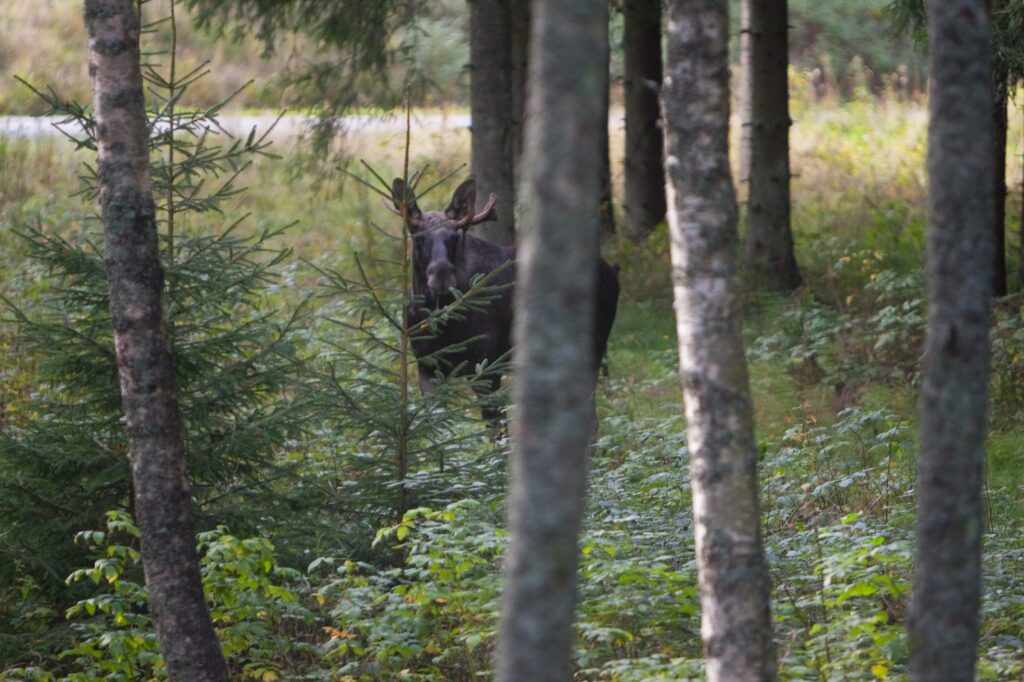
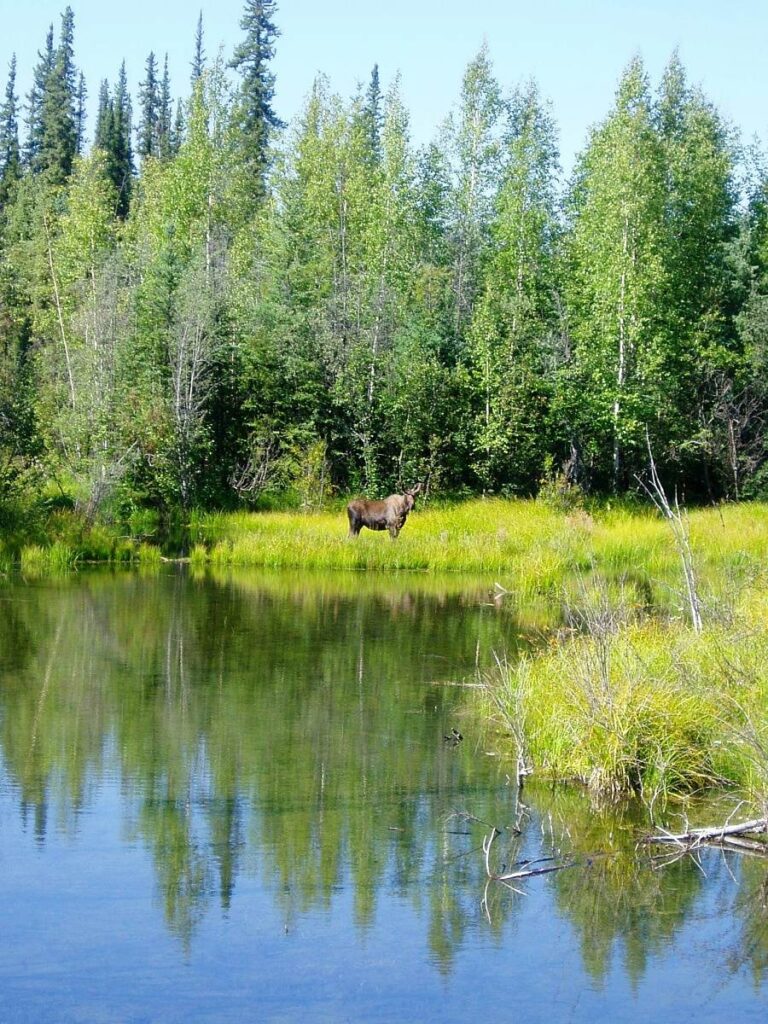
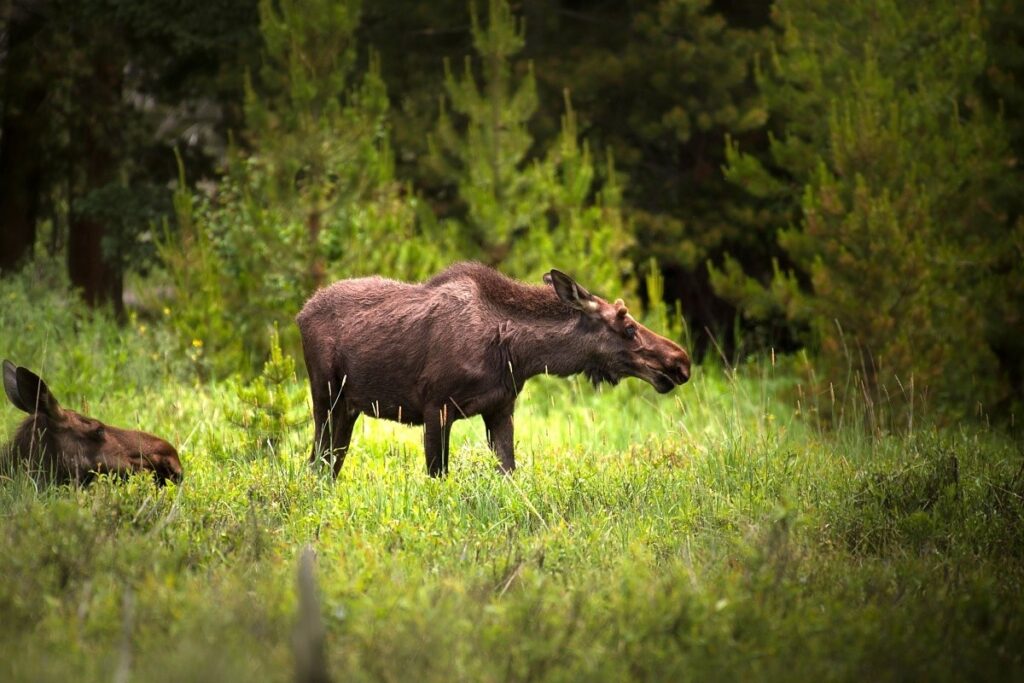
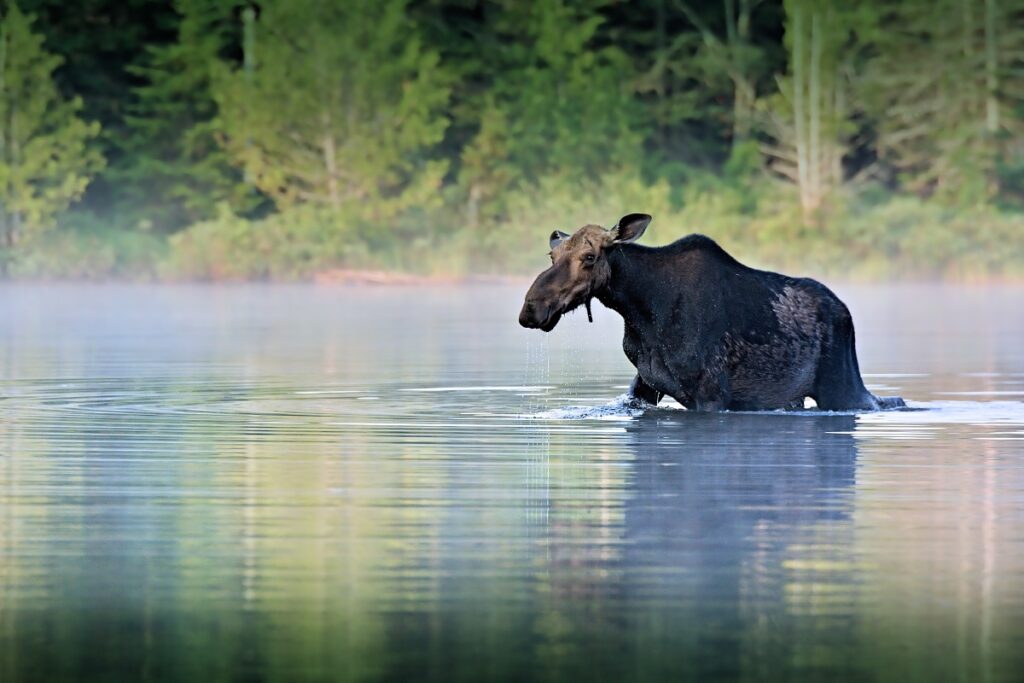
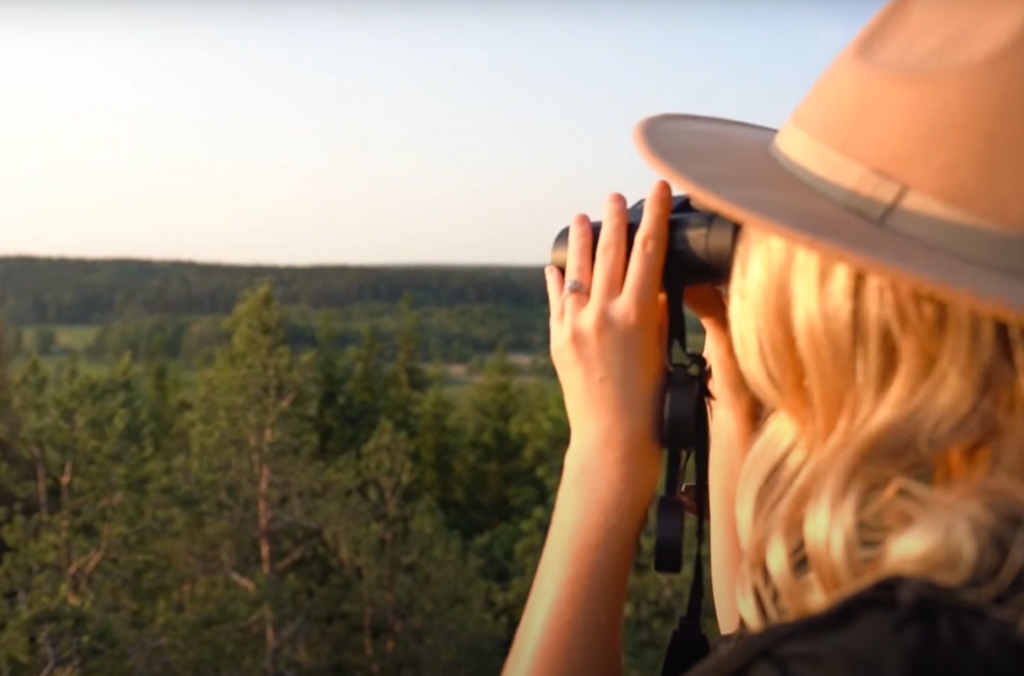
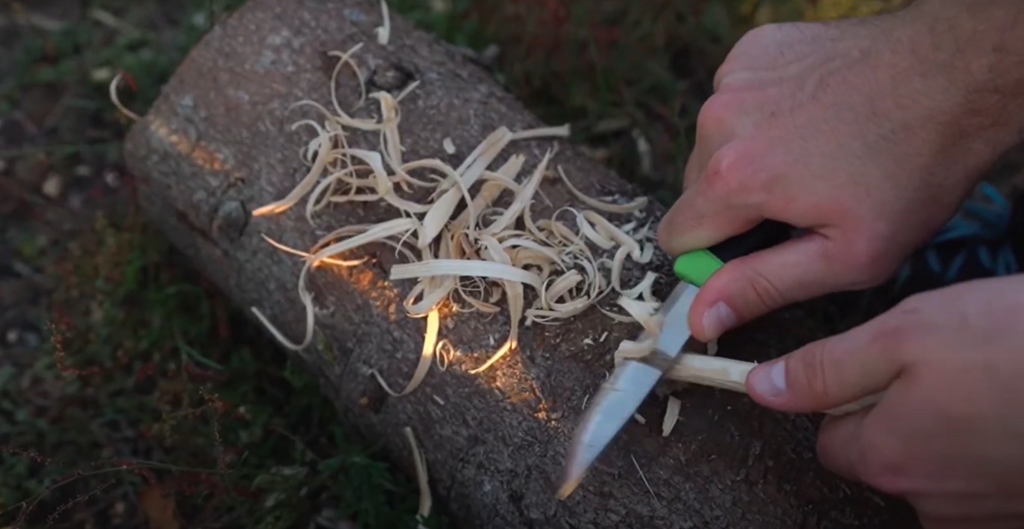
For more pictures and tour reports check out our FaceBook page!
Other Wildlife Lovers said…
When is best for wildlife & wild moose watching in Stockholm?
Each part of the wildlife season is different. Here we divide up the season, focused on the behavior of moose.
Early season (May): last year’s calves get rejected, which makes them confused. Often they roam around in the open, which offers for great daylight sightings.
Mid season (June – mid August): due to the long days, most sightings happen in good light, even though moose start to be a bit trickier to find during hot days.
Late season (mid August – October): that’s when we see big antlers! As days get shorter and evenings darker, many sightings happen in dusk. We use torches for spotting wildlife when it gets too dark.
Itinerary
- Rendez vous @ the meeting point.
- Transfer
- Campfire cooking
- Wildlife presentation
- Tracking with your guide on hike
- Cover different sighting spots by van
- Hike / drive with torch
- Conclude wildlife trip
- Drop off @ central station
Included in the tour
Pickup & drop off in central Stockholm
A guided wildlife safari with a professional guide
Quality binoculars
Campfire cooking
Eco food & craft beers
Swedish ‘cook-coffee’ and dessert
Small groups
Small groups for a personal experience. And an actual chance of seeing moose and other wildlife! On our wildlife & moose safari we average about 4-6 participants per guide (max 8).
With more than 8 participants there will be 2 guides and 2 groups. Both guides are in touch with each other by radio throughout the trip, covering different very moose rich areas: this increases your chance of seeing moose and other wildlife, as both guides can communicate any wildlife sightings! Dinner is enjoyed together. Max 15 participants in 2 groups with 2 guides.
Meeting point
We meet @ our Urban Basecamp in the heart of Södermalm (Tideliusgatan 62, 118 69 Stockholm).
Other important information
- Note that this trip takes place in a combination of local forest & country side to increase the chance of sightings. It is not a national park trip.
- This tour involves light physical motion. Being able to walk short distance, both on-trail and off-trail, is required.
- Not suitable for children below 10 on a scheduled departure. During a private tour there is no age limit.
Booking
Our safaris in Stockholm has student- and youth discounts. These only apply with:
Student: valid student- and ID cards. Does not apply for PHD students. Max age 25.
Child: valid ID card. Max age 15.
Doesn’t our schedule suit you? Send us a message and we’ll see what we can do!
Note that these times in some cases can differ from the time of individual tours. In this case, the starting time in the calendar is always the correct time.
20 April – 30 April: 17:00
1 May – 15 May: 17:30
16 May- 31 May: 18:00
1 June – 7 June: 18:30
8 June – 7 July: 19:00
8 July – 15 July: 18:30
16 July – 31 July: 18:00
1 August –12 August: 17:30
13 August – 18 August: 17:00
19 August – 23 August: 16:30
4 September – 13 September: 15:30
14 September – 30 September: 15:00
1 October – 11 October: 14:30
12 October – 19 October: 14:00
±20 October – 31 October: 13:30 (approximate date, Winter time change)
Other tours in Stockholm
If you want to see and learn about nature reserves and you love to be active, the Off Trail Hiking might be your cup of tea! And if you’re more excited for spending the day on water you might want to have a look at the Kayak Tour. Want to see the archipelago but in a less active way? Try out Sailing! If you’re into multiple-day trips we’ve got you covered as well. Check out out 2 or 3-day Kayaking Trip, the multi day sailing cruise and the overnight 3-day High Coast Hike or our one night Nature Camping Stockholm tour.
Traveling with us
✓ Traveler’s satisfaction guarantee! Not satisfied? We refund!
✓ Happy travelers from over 50 countries
✓ Swedish EcoTourism Association standards
✓ Small, personal groups
✓ Off-the-beaten track adventures
✓ Climate smart and responsible travel
✓ Memories for a lifetime
✓ TripAdvisor’s Certificate of Excellence
Moose & Wildlife Safari Stockholm
Winter Moose & Wildlife Safari Stockholm
Experience Swedish wildlife in its magical winter setting! On this winter moose & wildlife safari in Stockholm we begin with a hike through snowy moose forests and fields, learning to read animal tracks in snow and mud. We finish our hike as the sun starts to set over the winter landscape, and continue by driving to local wildlife hotspots and try our luck. As dusk deepens, we gather inside a cozy tipi tent and talk about wildlife around the campfire whilst enjoying a cooked meal. Under a star-filled sky, or maybe even the Northern Lights, we head back out for a brief torchlit walk. Finally, we return by van and use a powerful observation torch to illuminate wild animals in the dark as we start the return to the city.
Highlights
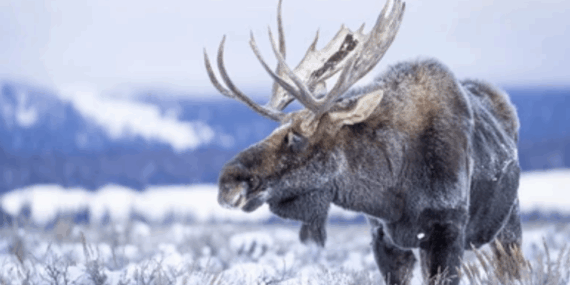
- Spot moose, deer & boar in their snow-covered habitat
- Reading tracks in snow & mud during a hike
- Short drive to local wildlife hotspots
- Winter sunset & blue hour viewpoint
- Campfire dinner & wildlife talk inside a tipi tent
- Night walk under the stars with torches
- Night observation with a large torch (animal-safe, no harm)
- Learn how Swedish wildlife survives the harsh winters
- Small, personal groups
- Pickup & dropoff in central Stockholm
Wildlife Safari Stockholm: What to see?
Wild environment: You will encounter forests of tall pine trees, frozen lakes, open fields, and traditional countryside—often quiet and glittering under frost or fresh snow.
Wildlife: The iconic animals we aim to see are moose, deer, and wild boar. Also common in winter are owls and buzzards, along with other resident birds. With luck we may spot fox or hare. In winter, tracks and signs are easy to read, which helps us locate where shy and majestic animals feed and travel.
Pictures
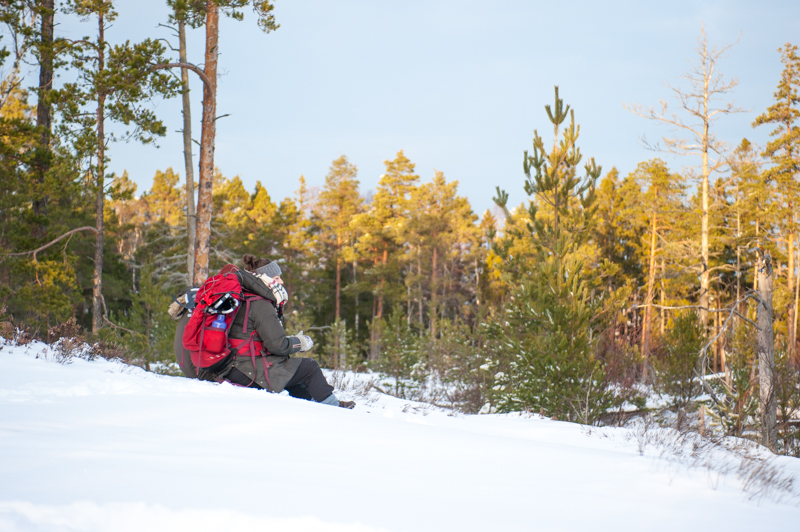
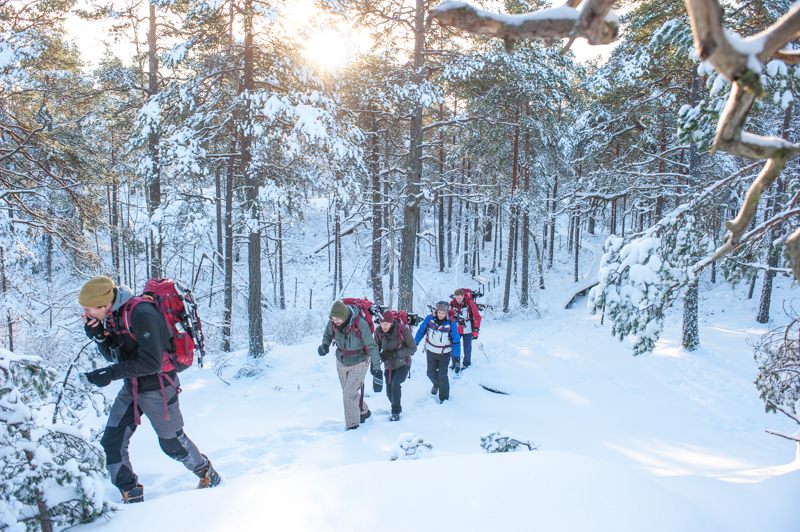
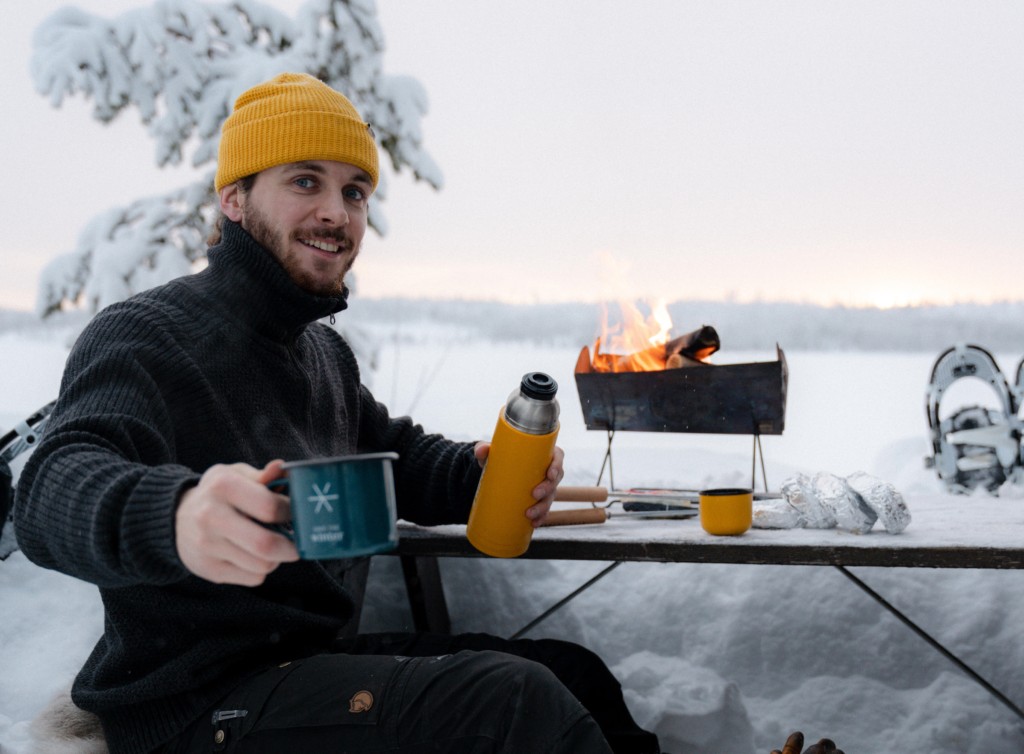
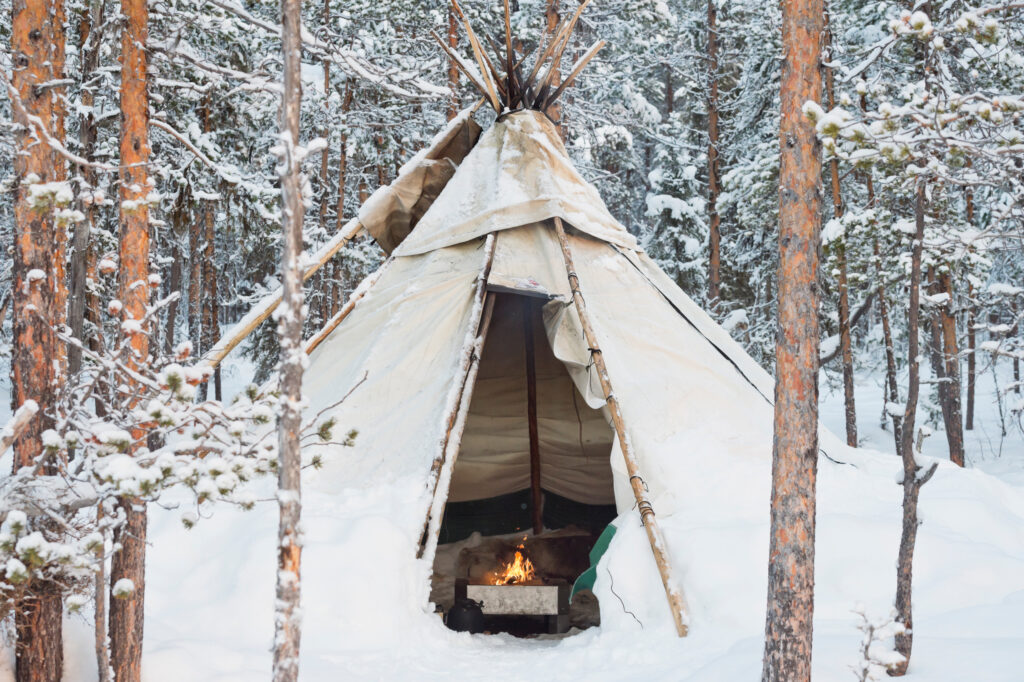
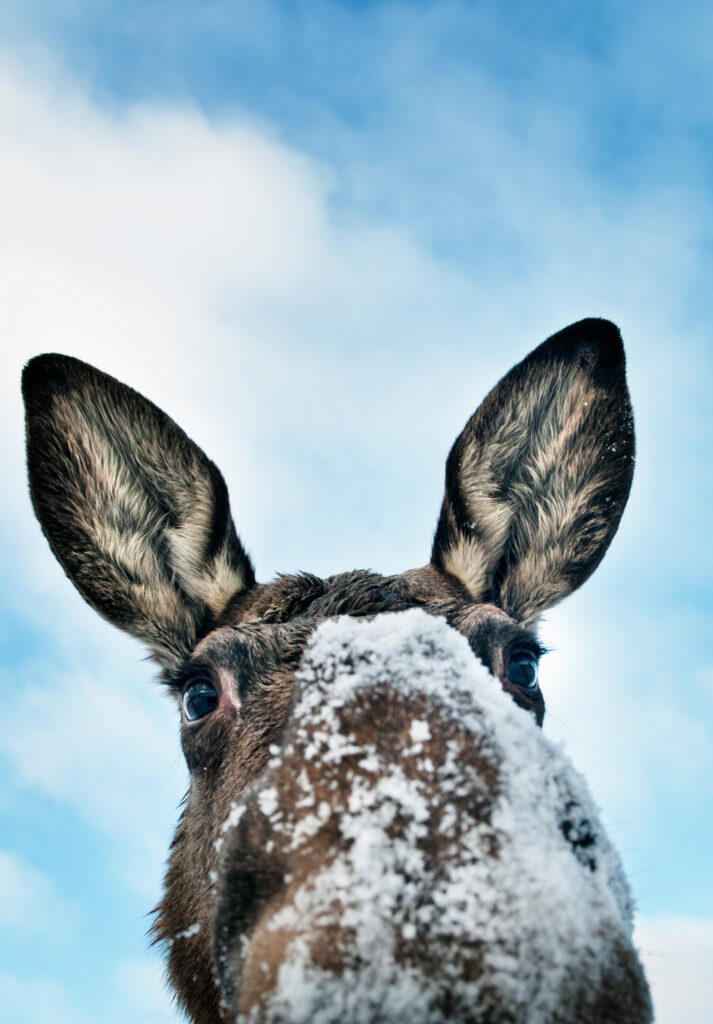
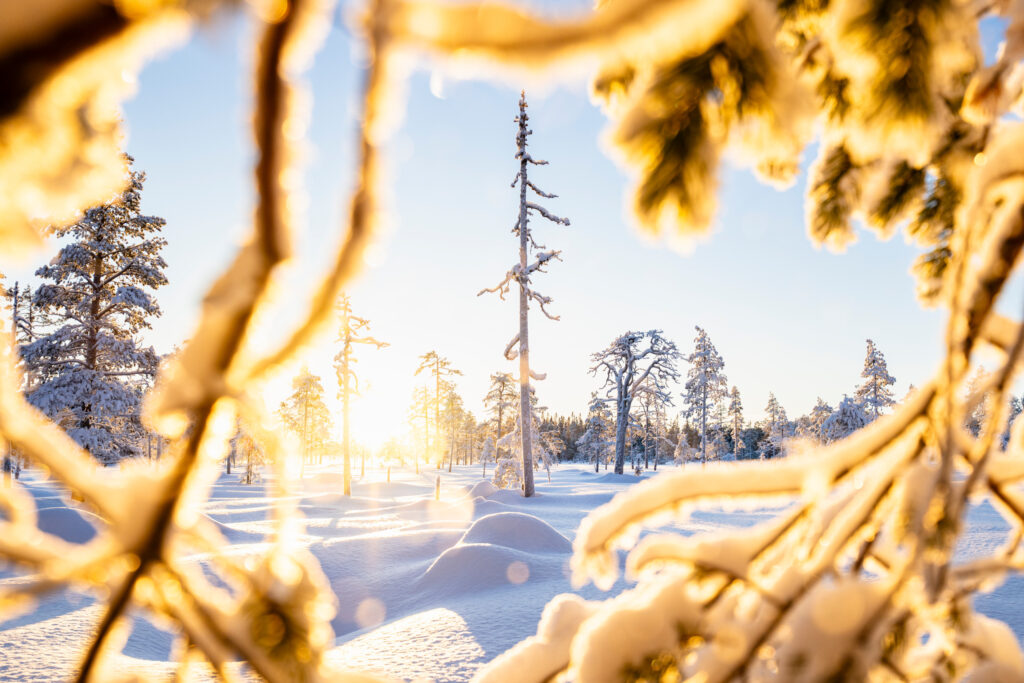
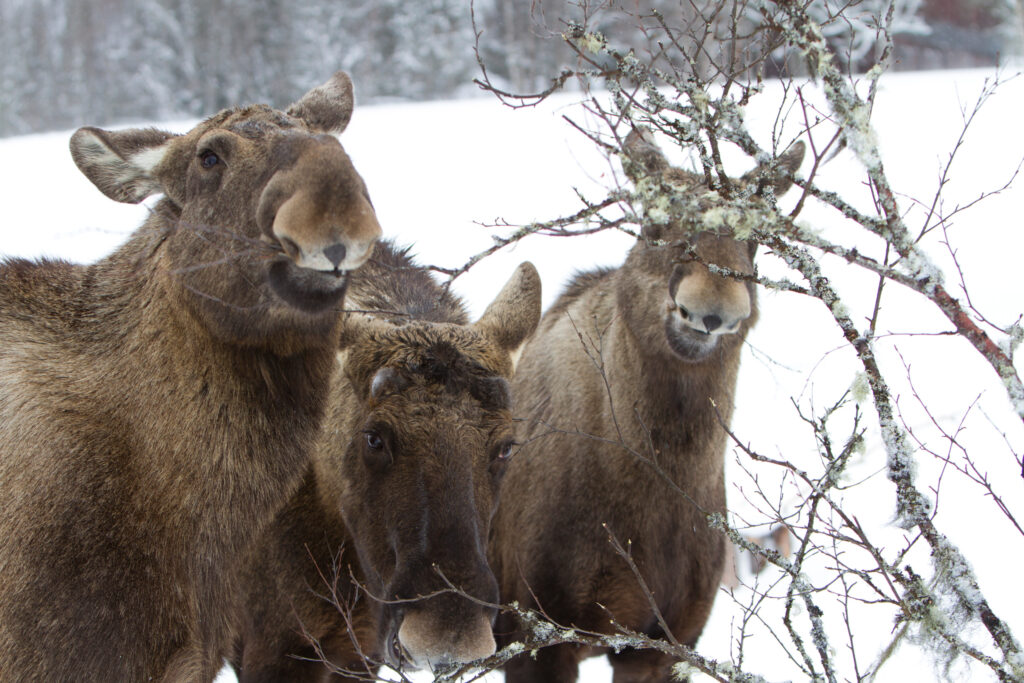
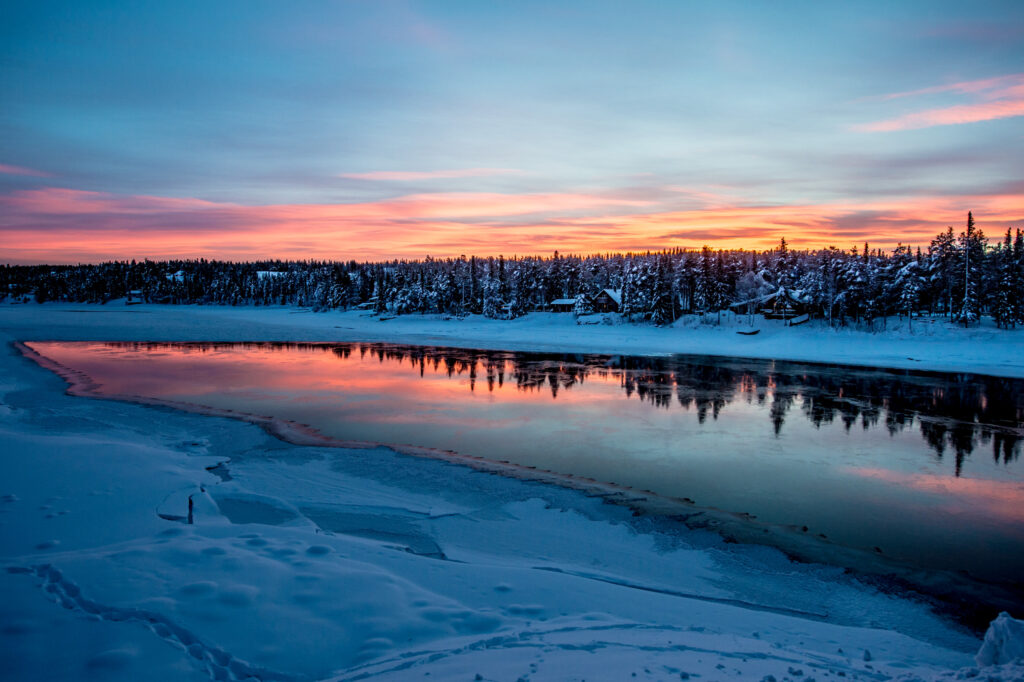
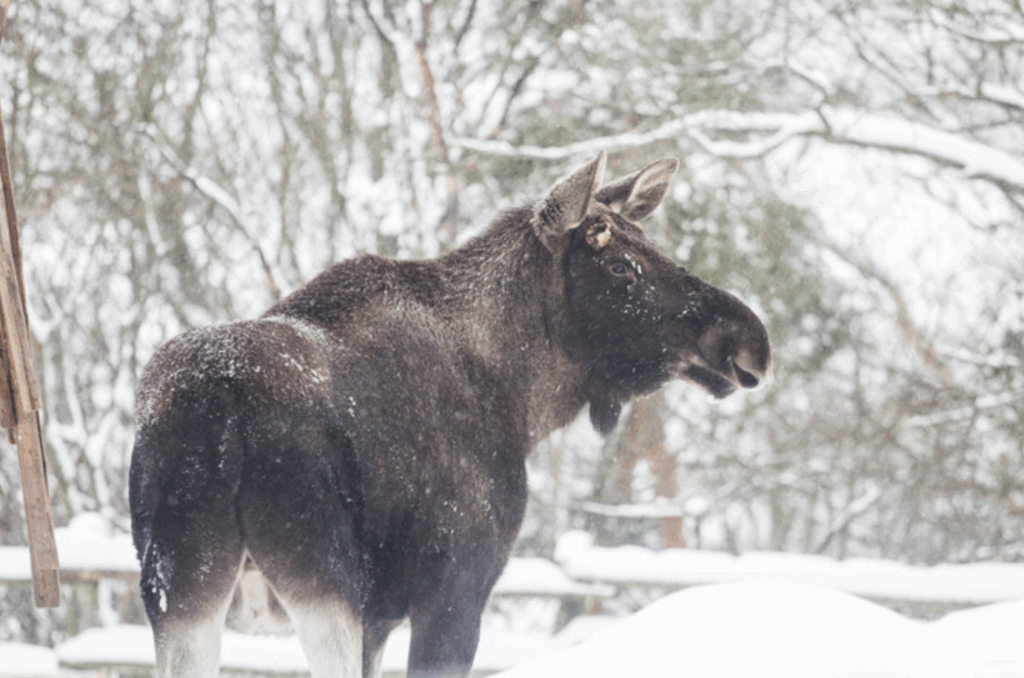
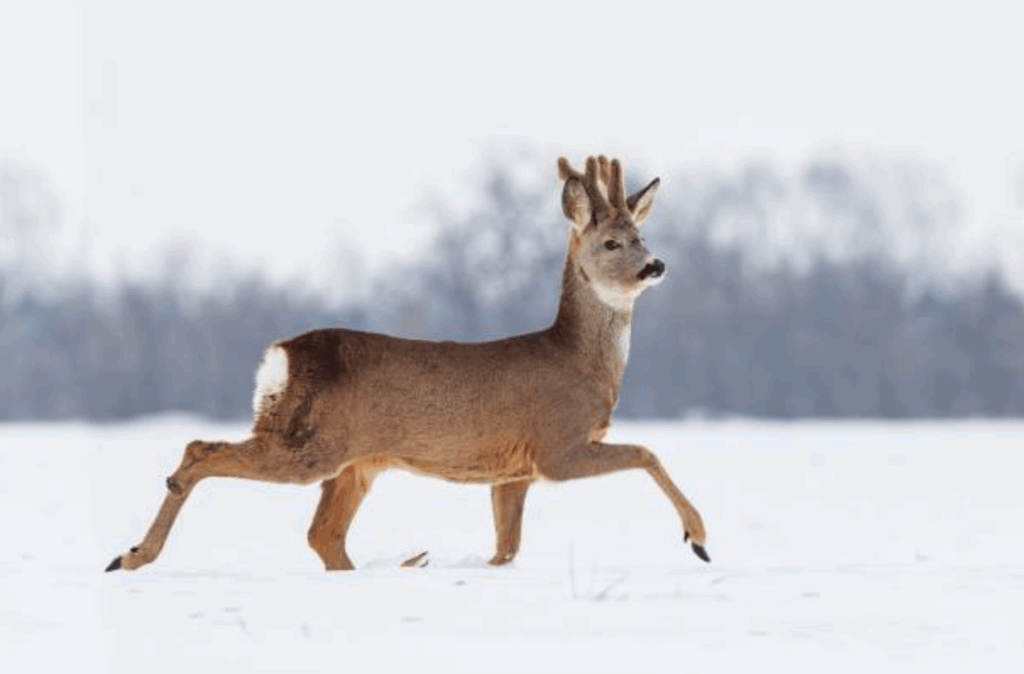
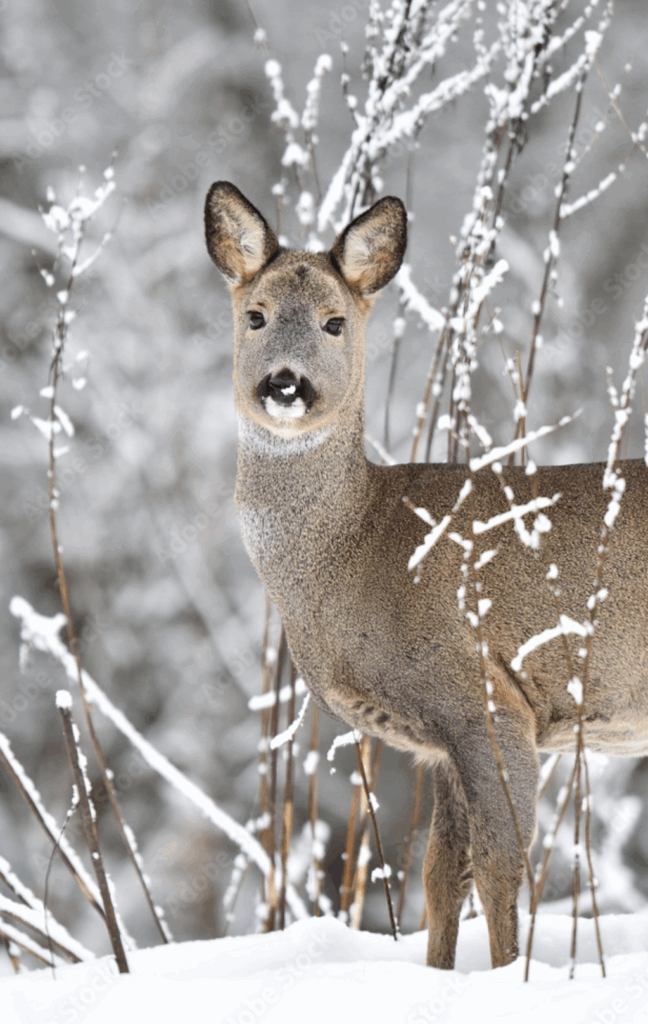
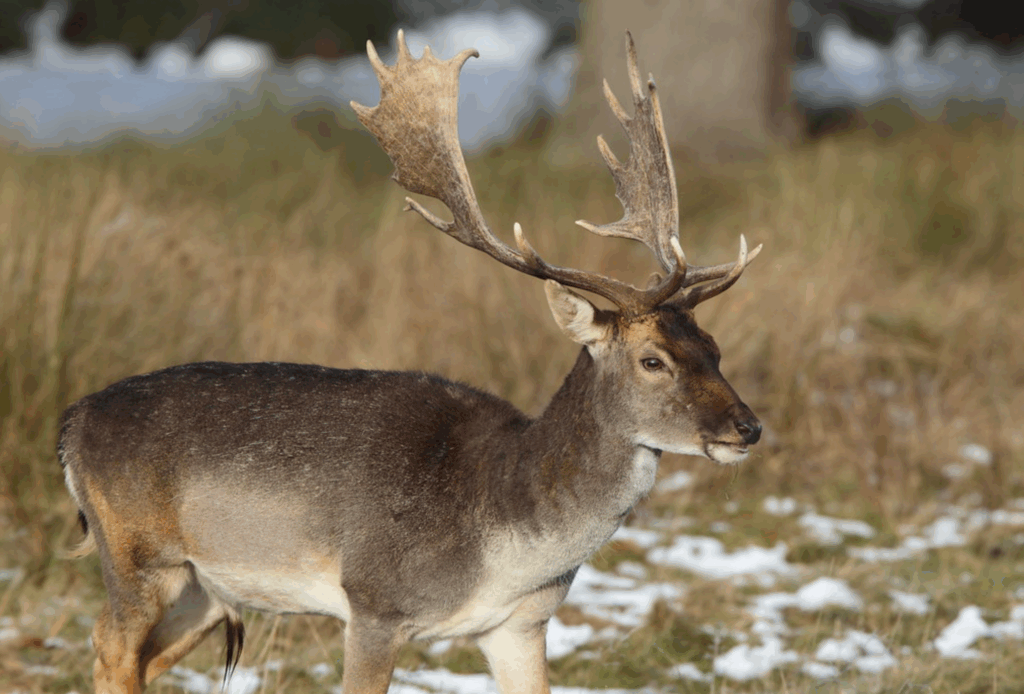
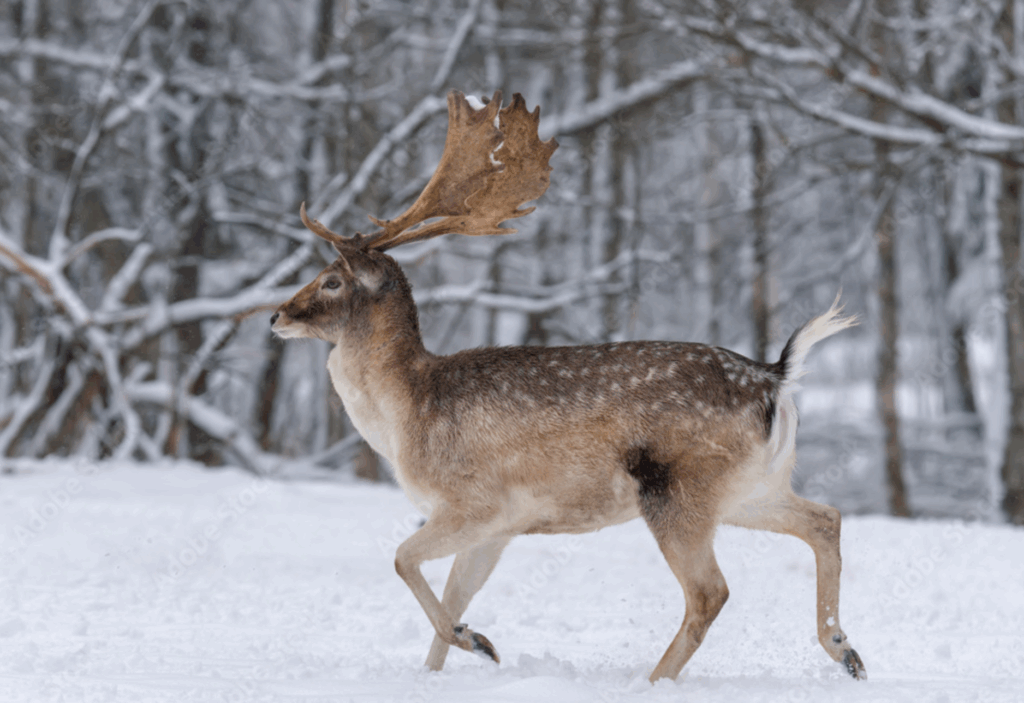
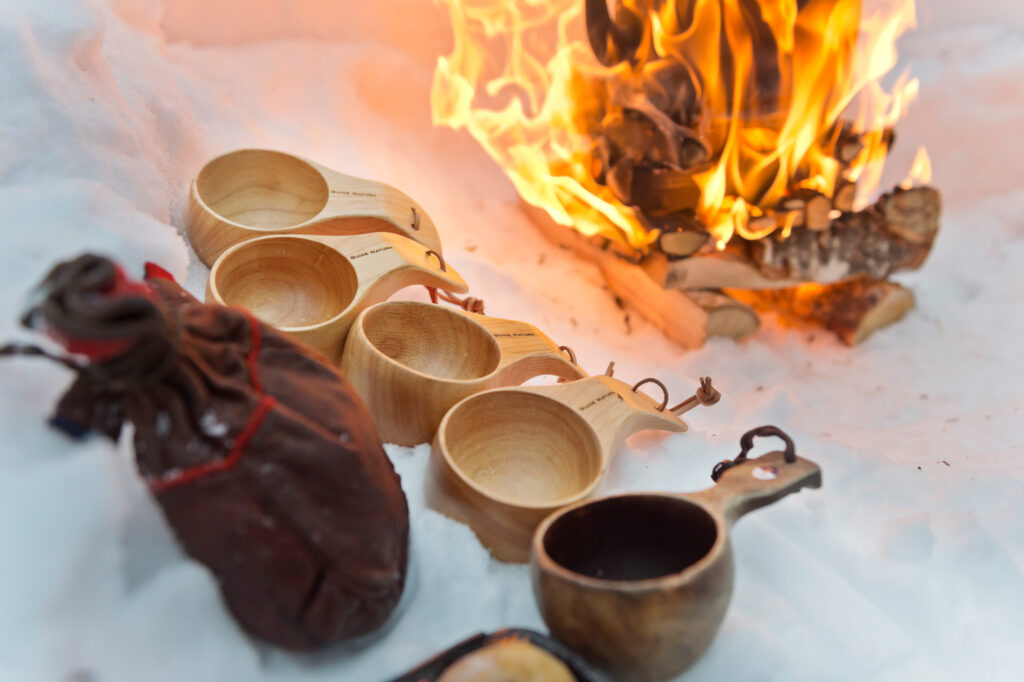
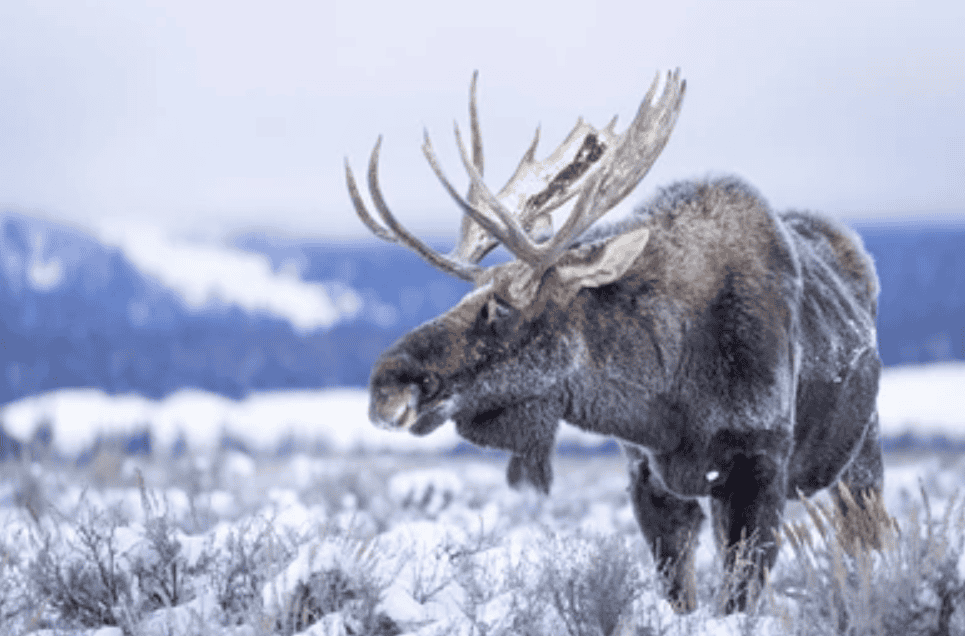
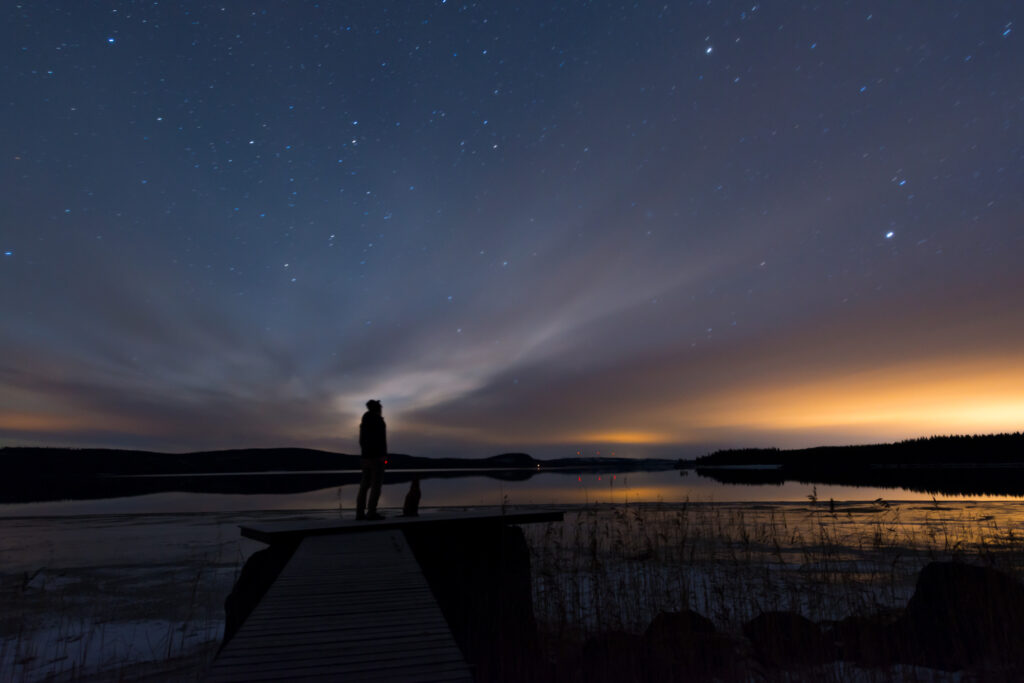
For more pictures and tour reports check out our FaceBook page!
Other Wildlife Lovers said…
When is best for winter wildlife watching in Stockholm?
Each part of the winter season is different. Here we divide up the season, focused on the behavior of moose and other animals.
Early winter (November-December): Clear tracks and fresh feeding signs appear as animals adjust to snow and cold. Great for learning tracking skills.
Mid winter (January – February): Higher chance of snow helps us follow movements; many sightings at dusk and during the blue hour. Torchlit observation can be excellent.
Late winter (March-April): Longer days bring more daylight activity. Melting snow reveals abundant signs, and bulls may be close to shedding antlers.
Itinerary
- Rendez vous @ the meeting point.
- Transfer
- Winter hike focused on reading tracks in snow & mud
- Short drive to local wildlife hotspots
- Sunset viewpoint (winter sunset & blue hour)
- Campfire cooking & wildlife presentation inside a cozy tipi tent
- Short torchlit walk under the stars
- Drive back via key sighting areas and use a large observation torch to locate wildlife in the dark (animal-safe, non-harmful practice)
- Conclude wildlife trip
Included in the tour
Pickup & drop off in central Stockholm
A guided winter wildlife safari with a professional guide
Your own binoculars (high quality)
Campfire cooking
Eco food & hot drinks
Swedish ‘cook-coffee’ and dessert
Small groups
Small groups for a personal experience—and an actual chance of seeing many wild moose and other wildlife! On our safari we average about 4–6 participants per guide (max 8).
Meeting point
We meet @ our Urban Basecamp in the heart of Södermalm (Tideliusgatan 62, 118 69 Stockholm).
Other important information
- Note that this trip takes place in a combination of forest & rural landscape to increase the chance of sightings. It is not a national park trip.
- This tour involves light physical activity; being able to walk short distances at a normal pace is required.
- Not suitable for children below 10 on a scheduled departure. During a private booking there is no age limit.
- Winter sightings are more difficult than during summer, but all the more beautiful. Be prepared though that there is a chance that we don’t see much wildlife, in contradiction to our summer safari.
Booking
Our winter wildlife safari in Stockholm has student- and youth discounts. These only apply with:
Student: valid student- and ID cards. Does not apply for PHD students. Max age 25.
Child: valid ID card. Max age 15.
Doesn’t our schedule suit you? Send us a message and we’ll see what we can do!
Note that these times in some cases can differ from the time of individual tours. In this case, the starting time in the calendar is always the correct time.
1 November – 4 November: 13:30
5 November – 26 November: 13:00
27 November – 10 January: 12:30
11 January – 23 January: 13:00
24 January – 4 February: 13:30
5 February – 16 February: 14:00
17 February – 30 February: 14:15
1 March – 12 March: 14:30
13 March – 25 March: 15:00
26 March – 28 March: 15:30
±29 March – 6 April: 17:00 (approximate date, Summer time change)
7 April –19 April: 17:30
Other tours in Stockholm
If you want to see and learn about Swedish nature in winter, here are some more adventures:
Try our magical Winter Hiking tour and discover snowy forests off the beaten track! Less focus on wildlife, more on winter scenery, more active. If you’d like to spend the day on the frozen lakes or even the frozen Baltic Sea have a look at the Ice Skating!
Traveling with us
✓ Traveler’s satisfaction guarantee! Not satisfied? We refund!
✓ Happy travelers from over 50 countries
✓ Swedish EcoTourism Association standards
✓ Small, personal groups
✓ Off-the-beaten track adventures
✓ Climate smart and responsible travel
✓ Memories for a lifetime
✓ TripAdvisor’s Certificate of Excellence
Winter Moose & Wildlife Safari Stockholm
Extra info, planning your trip
Moose, roedeer, and boar are the primary wildlife species commonly seen during moose safaris in Stockholm, along with other animals such as foxes, badgers, and various bird species like buzzards and falcons. In addition to moose, other wildlife that can be spotted during safaris includes roe deer, fallowdeer, boar, and occasionally more elusive species like lynx and wolves, although sightings of these are rare.
Guided wildlife safaris typically last around 5 hours and include a combination of hiking and driving to wildlife hotspots, enhancing the chances of spotting giant animals in their natural habitat.
Summer is considered the high season for moose safaris, with best sightings occurring from May to September.
The best time for wildlife watching in summer is early summer (May), when young moose become more visible in open, deepest forest areas, providing good chances for daytime sightings. Starting times vary by a few hours throughout the season.
During peak summer (June to mid-August), long daylight hours support wildlife viewing, with the best activity occurring during cooler mornings and evenings.
Moose safari tours often include a combination of hiking through moose-rich areas and enjoying a wilderness picnic meal featuring local ingredients.
Visitors are recommended to dress in layers and wear comfortable, water-resistant footwear due to varying terrain and temperatures. Warmer clothes are important during the winter months.
Tourists are advised to book their moose safari online in advance to ensure participation as most tours require a minimum number of participants.
Eco-tourism practices emphasize minimizing environmental impact while providing authentic experiences in nature, often through small group sizes to reduce disturbance to wildlife and habitats.
Sustainable eco-tourism practices include using local food sources, such as berries and vegetables from the surrounding area, to reduce carbon footprints associated with food transport.
Eco-tourism companies often adhere to certifications like Nature’s Best, which ensures that their practices meet specific environmental standards and promote responsible travel.